
Pavel Koupil
Assistant professor
Pavel focuses on conceptual modelling and management of heterogeneous and multi-model data. Research interests include schema extraction and evolution, data migration and transformation, unified querying across different data models, and the use of formal methods — particularly category-theoretic approaches — to support flexibility and correctness in data management systems.
Courses
Principles of Data Organization
NDBI007
Modern Database Systems
NDBI040
Introduction to Data Engineering
NDBI046
Programming in C++
NPRG041
Computer Systems
NSWI170
Software Practice in Context 2
NSWI207
Software Practice in Context 1
NSWI208
Latest publications
- FDepHunter: Harnessing Negative Examples to Expose Fakes and Reveal Ghosts (2025)
- A universal approach for simplified redundancy-aware cross-model querying (2025)
- DortDB: Bridging Query Languages for Multi-Model Data Ponds (2025)
- ORMorpher: An Interactive Framework for ORM Translation and Optimization (2025)
- MM-evoque: Query Synchronisation in Multi-Model Databases. (2024)
- Modelling and Evolution Management of Multi-Model Data (2024)
- MM-quecat: A Tool for Unified Querying of Multi-Model Data. (2023)
- Atlas: A toolset for efficient model-driven data exchange in data spaces (2023)
- A Comparative Analysis of JSON Schema Inference Algorithms. (2022)
- A universal approach for multi-model schema inference (2022)
- A unified representation and transformation of multi-model data using category theory (2022)
- MM-evocat: A tool for modelling and evolution management of multi-model data (2022)
- MM-cat: A tool for modeling and transformation of multi-model data using category theory (2021)
Maintainer of

DortDB
A modular multi-language in-memory query engine. Queries the arrays, DOM trees, and graphs already in your app's memory, in place and across languages, with no database process and no import step.
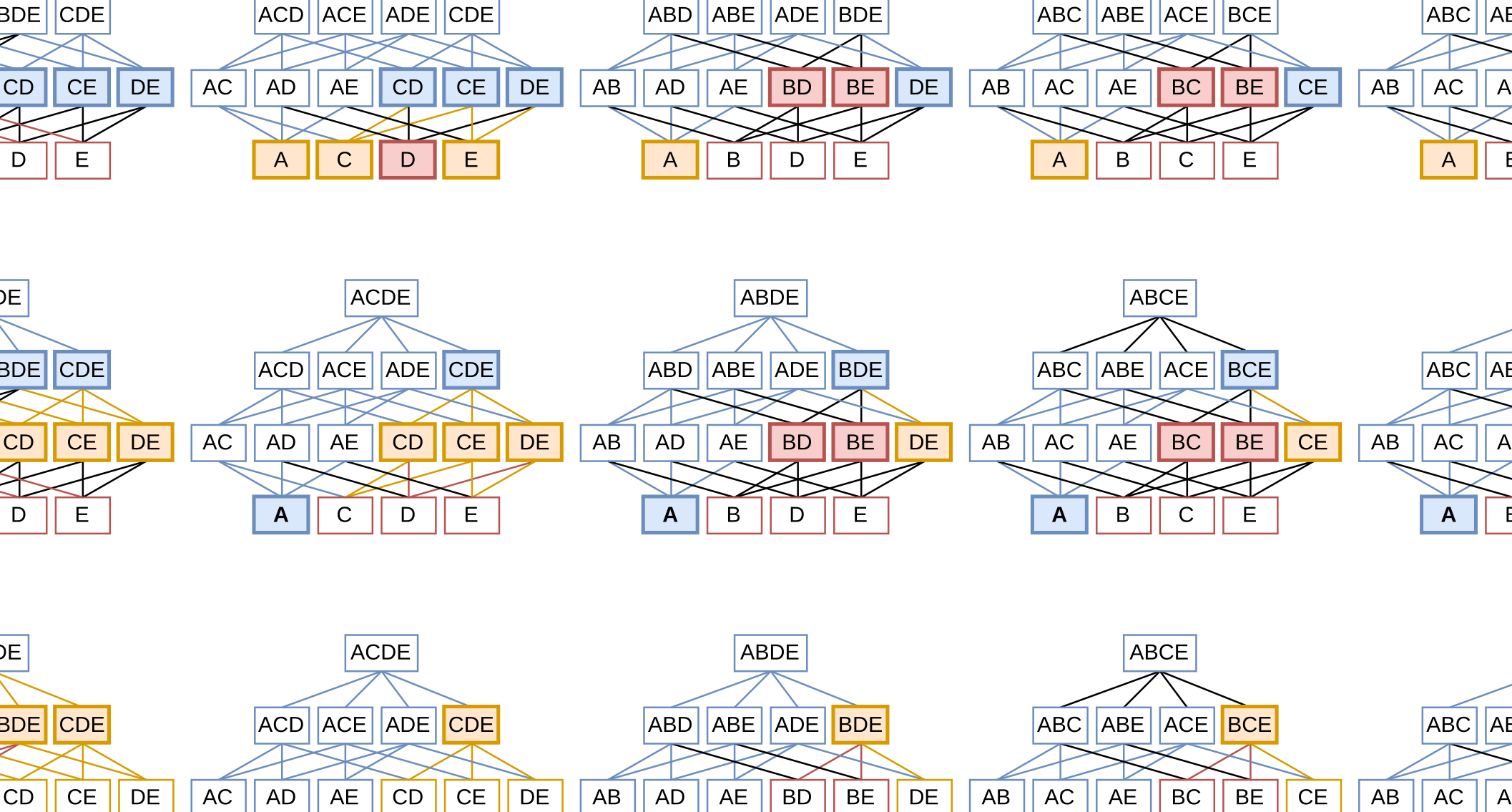
FDepHunter
FDepHunter is a novel and interactive method for dependency discovery that augments an Armstrong relation with additional tuples. It relies on artificially generated negative examples that emulate real-world tuples to help expose fake FDs, together with domain experts to confirm that positive examples indeed reflect the characteristics of the original dataset.
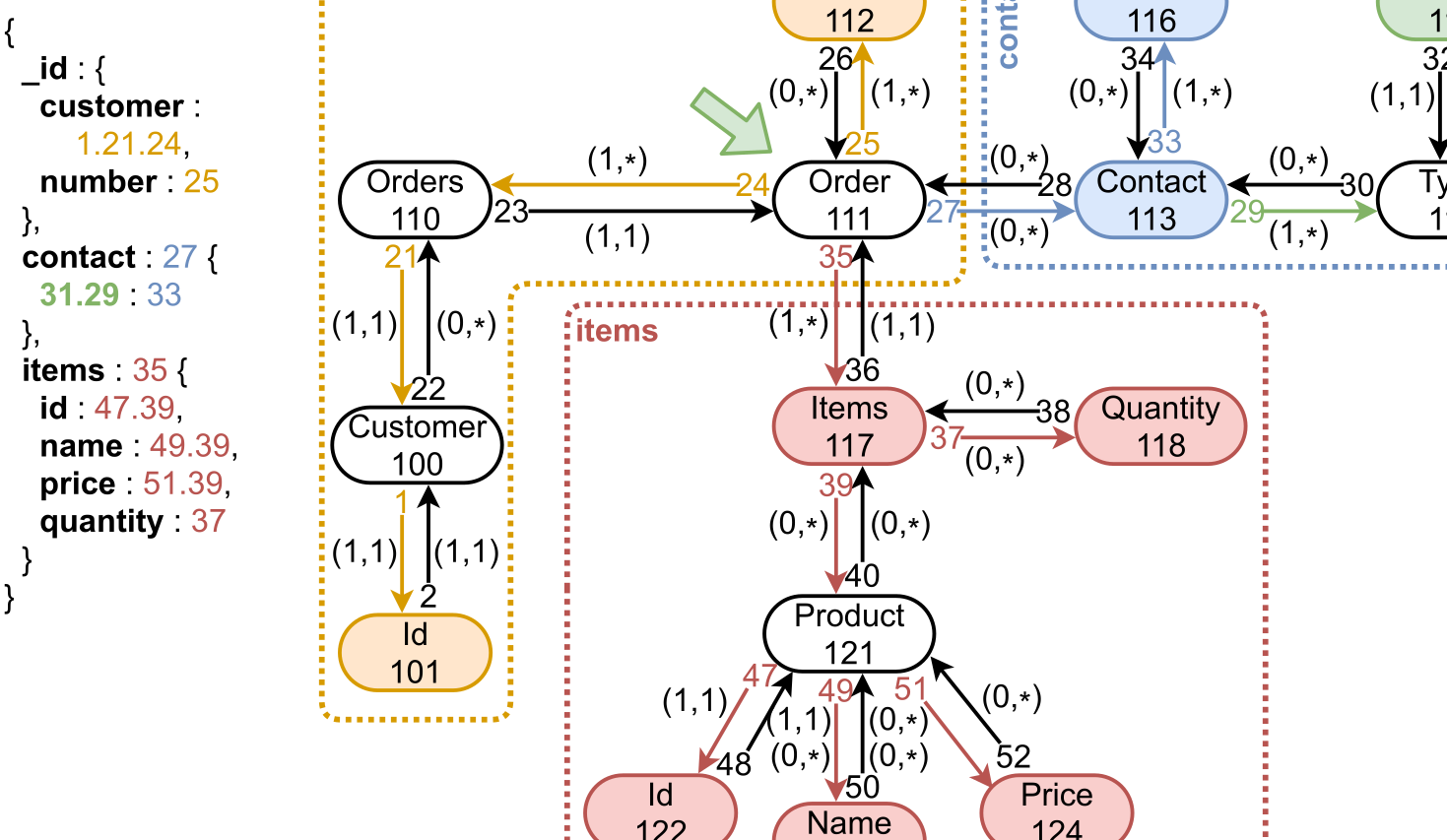
MM-cat
A modular and extensible framework that enables to design a multi-model schema. An initial ER schema is transformed to a unified categorical representation which can then be easily mapped to any combination of models in a particular DBMS, or their set.